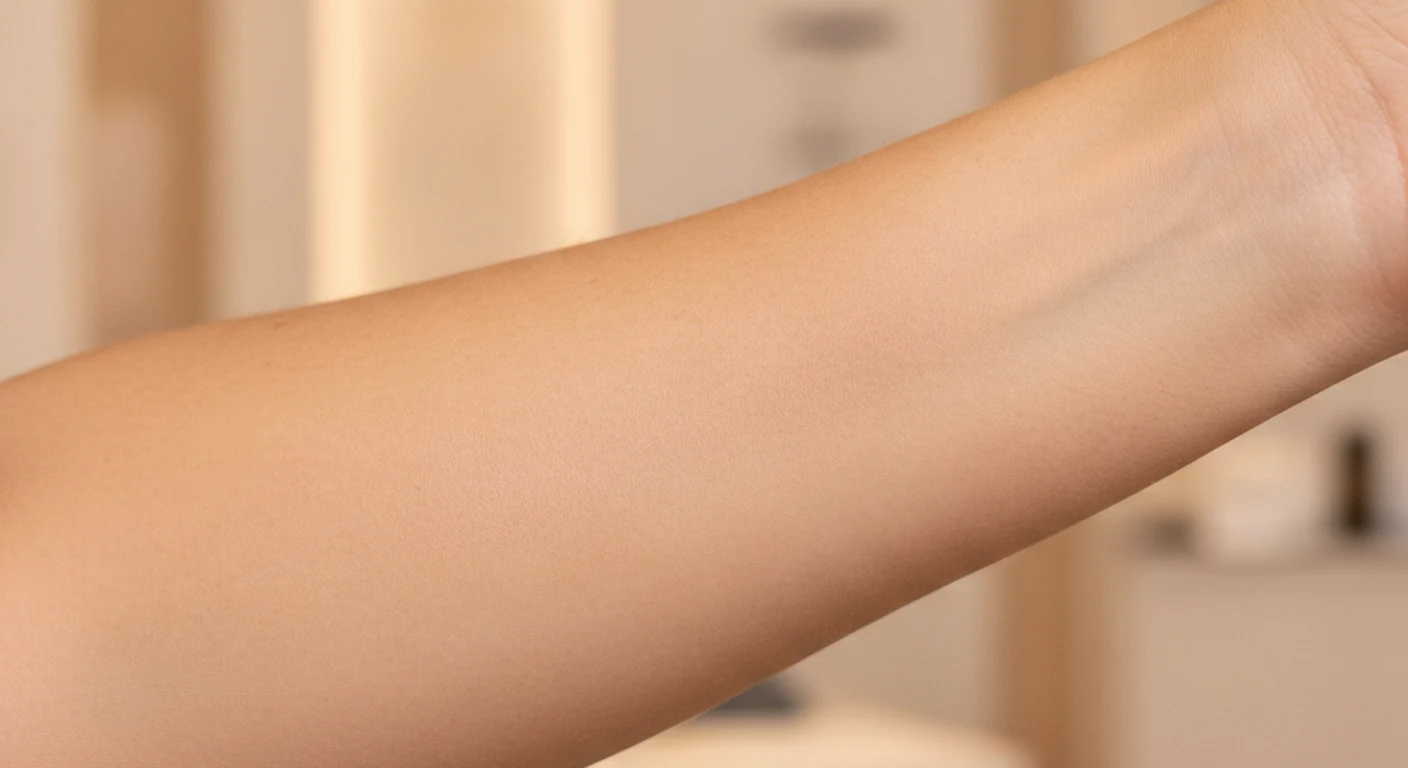
Scar camouflage tattoo — also known as paramedical micropigmentation for scars — is a transformative procedure that blends scar tissue with your natural skin tone, making scars significantly less visible. Whether your scar is from surgery, injury, burns, or acne, this treatment can restore a more even and confident appearance. However, the success of your scar camouflage depends as much on the aftercare as on the procedure itself. Proper healing ensures optimal pigment retention and the most natural-looking result.
What Is Scar Camouflage?
Scar camouflage is a specialised paramedical tattooing technique that deposits flesh-toned pigment into scar tissue to match the surrounding skin. It works on both hypertrophic (raised) and atrophic (depressed) scars, as well as hypopigmented scars that appear lighter than the surrounding skin. The pigment is carefully matched to your natural skin tone and layered into the scar to create seamless blending.
The procedure typically requires 2 to 3 sessions for optimal results. A single session deposits 60–70% of the pigment, with touch-up sessions at 6–8 week intervals refining the colour match and coverage. Some deeper or more extensive scars may require additional sessions. After each session, the treated area undergoes a healing process that takes 4 to 6 weeks to reveal the final result.
Healing Timeline: Days 1–14+
Days 1–3: The Acute Healing Phase
Immediately after the procedure, the treated scar will appear significantly darker and more intense than the final result. This is completely normal — the pigment sits in the upper layers of the skin and will settle as healing progresses. You can expect mild redness, slight swelling, and some tenderness around the treated area. The scar tissue itself may feel slightly firmer during this phase.
Care instructions: Keep the area completely dry for the first 48 hours. No washing, no sweating, and no water contact whatsoever. Apply the healing balm provided by your technician 2 to 3 times daily using clean hands or a cotton swab. Dab gently — do not rub or apply pressure.
Days 4–7: Peeling and Flaking
As the skin begins to regenerate, the treated area will start to flake and peel. This is a natural and essential part of the healing process. The pigment may look patchy or uneven underneath — this is temporary and expected. Do not pick, scratch, or rub the peeling skin under any circumstances. Let the flakes fall off naturally. Removing them prematurely can pull out pigment and lead to uneven, blotchy results.
Care instructions: Continue applying healing balm as directed. You may gently rinse the area with lukewarm water and pat dry with a clean tissue — do not rub or use a washcloth. Avoid any makeup or skincare products on the treated area until peeling is complete. If you experience itching, resist the urge to scratch — gently tap the area instead.
Days 8–14: The Softening Phase
The peeling has largely subsided, and the treated area will look significantly lighter. The pigment is settling deeper into the dermis. Some areas may appear lighter than others — this is normal and will be addressed at your touch-up session. The skin may feel slightly dry, tight, or sensitive. The scar tissue itself may feel softer as it heals.
Care instructions: You can resume gentle cleansing with a mild, fragrance-free cleanser. Introduce a fragrance-free moisturiser to keep the skin hydrated. Still avoid direct sun exposure and any harsh skincare products containing retinol, glycolic acid, or vitamin C on the treated area. If your scar is on a body area where compression garments are applicable, continue wearing them as recommended by your technician.
Weeks 3–4: Colour Settling
By week 3, the pigment has settled to approximately 80–90% of its final shade. The colour will continue to soften and look more natural. Any minor unevenness usually resolves by week 4. This is the stage where you can properly assess the result and determine what adjustments may be needed at your follow-up session.
Weeks 4–6: Full Results
By 4 to 6 weeks after treatment, the pigment has fully settled into the scar tissue and the final colour is visible. The treated area should closely match your surrounding natural skin tone. If a touch-up session is needed, it is typically scheduled around this time — approximately 6 to 8 weeks after the initial procedure.
Scar Camouflage Aftercare: The DOs
- Moisturise gently: Use only the balm or moisturiser recommended by your technician. Apply in thin layers 2–3 times daily to keep the skin hydrated and support healing.
- Use SPF 50+ daily: Scar tissue and treated skin are highly sensitive to UV radiation. Sun exposure can cause the pigment to fade unevenly or shift colour. Apply a broad-spectrum sun protection every morning once the initial healing phase is complete.
- Attend your follow-up session: A touch-up 6–8 weeks after treatment is essential for perfecting the colour match and ensuring full coverage of the scar.
- Keep the area clean: Gently cleanse the treated area with lukewarm water and pat dry. Avoid rubbing or using abrasive cloths.
- Wear compression garments if applicable: If your technician has recommended compression garments for raised scars, wear them as instructed. They help keep the scar flat and support pigment retention.
- Sleep in a safe position: If the treated scar is on your face or chest, try to sleep on your back to avoid pressure or friction against the area.
- Wear loose, soft clothing: For scars on the body, choose breathable, soft fabrics that do not rub against the treated area. Avoid seams or tags that press directly on the scar.
Scar Camouflage Aftercare: The DON’Ts
- Do not scratch or pick: Picking at flakes, scabs, or peeling skin can remove pigment and cause additional scarring. Let the skin heal naturally.
- Do not soak the area: No swimming, hot tubs, saunas, steam rooms, or long baths for at least 2 weeks. Prolonged moisture can disrupt pigment retention in scar tissue.
- No gym or heavy exercise for 2 weeks: Sweating can introduce bacteria and cause the pigment to lift. Intense physical activity also increases blood flow to the area, which can push pigment out. Wait a full 2 weeks before resuming exercise.
- No direct sun exposure: Keep the treated scar out of the sun for at least 4 weeks. Scar tissue burns more easily than normal skin, and UV exposure can cause long-term colour changes.
- No tight clothing: Avoid tight clothing, belts, straps, or anything that presses against or rubs the treated scar. Friction can disrupt healing and pigment retention.
- No harsh skincare products: Avoid retinol, AHAs, BHAs, glycolic acid, vitamin C, and any exfoliating products on the treated area for at least 4 weeks.
- No makeup on the treated area: Do not apply foundation, concealer, powder, or any cosmetics directly on the healing skin until the peeling phase is fully complete (typically day 10–14).
- No alcohol or blood-thinners: These can interfere with the healing process and pigment retention. Avoid for at least 48 hours after your session.
When to Expect Full Results
Your scar camouflage tattoo will reach its final appearance at 4 to 6 weeks after each session. During the first week, the colour looks significantly darker than intended — sometimes 30–50% darker. By week 2, it softens considerably as the outer layer of skin sheds. At week 3–4, the true shade emerges, and by week 6, the pigment has fully settled into the scar tissue and the colour is stable.
The final result depends on several factors including your skin type, the type and age of the scar, the location on your body, and how closely you follow the aftercare instructions. Older, mature scars typically respond better to camouflage, while newer or more raised scars may require additional sessions.
Why Multiple Sessions Are Needed
Scar camouflage is rarely a one-session treatment. Scar tissue behaves differently from normal skin — it is less vascular, has a different texture, and absorbs pigment differently. A single session typically achieves 60–70% coverage. The remaining 30–40% is addressed in follow-up sessions that refine the colour match and fill in any lighter areas that emerged during healing.
Most clients need 2 to 3 sessions spaced 6 to 8 weeks apart for optimal results. Between sessions, the pigment continues to settle and blend with the surrounding skin tone. Patience and proper aftercare between sessions are key to achieving the best possible outcome.
Patience is essential: Scar camouflage is a process, not a one-time fix. The colour you see on day 1 is never the final result. Trust the healing journey, follow your aftercare instructions diligently, and attend every scheduled follow-up session for the most natural, long-lasting results.
Final Thoughts
Scar camouflage tattoo offers a safe, effective solution for reducing the appearance of scars and restoring your skin's natural uniformity. But the quality of your results is directly tied to how well you care for the treated area in the weeks following each session. By keeping the area clean, moisturised, and protected from the sun, and by avoiding common pitfalls like scratching, soaking, tight clothing, and early gym sessions, you give the pigment the best opportunity to settle beautifully into the scar tissue.
Book a consultation at Brows and Lips Dubai to discuss your scar camouflage options with our experienced paramedical tattoo specialists. We will assess your scar, recommend a customised treatment plan, and provide detailed aftercare guidance tailored to your specific needs.