

Is PMU Painful? What Our Clients Say

Understanding PMU Pain Levels
One of the most common questions we hear at Brows & Lips is: is PMU painful? The honest answer is that pain is subjective, but most clients describe the sensation as mild to moderate discomfort rather than sharp pain. Understanding what to expect can help ease any anxiety before your appointment.
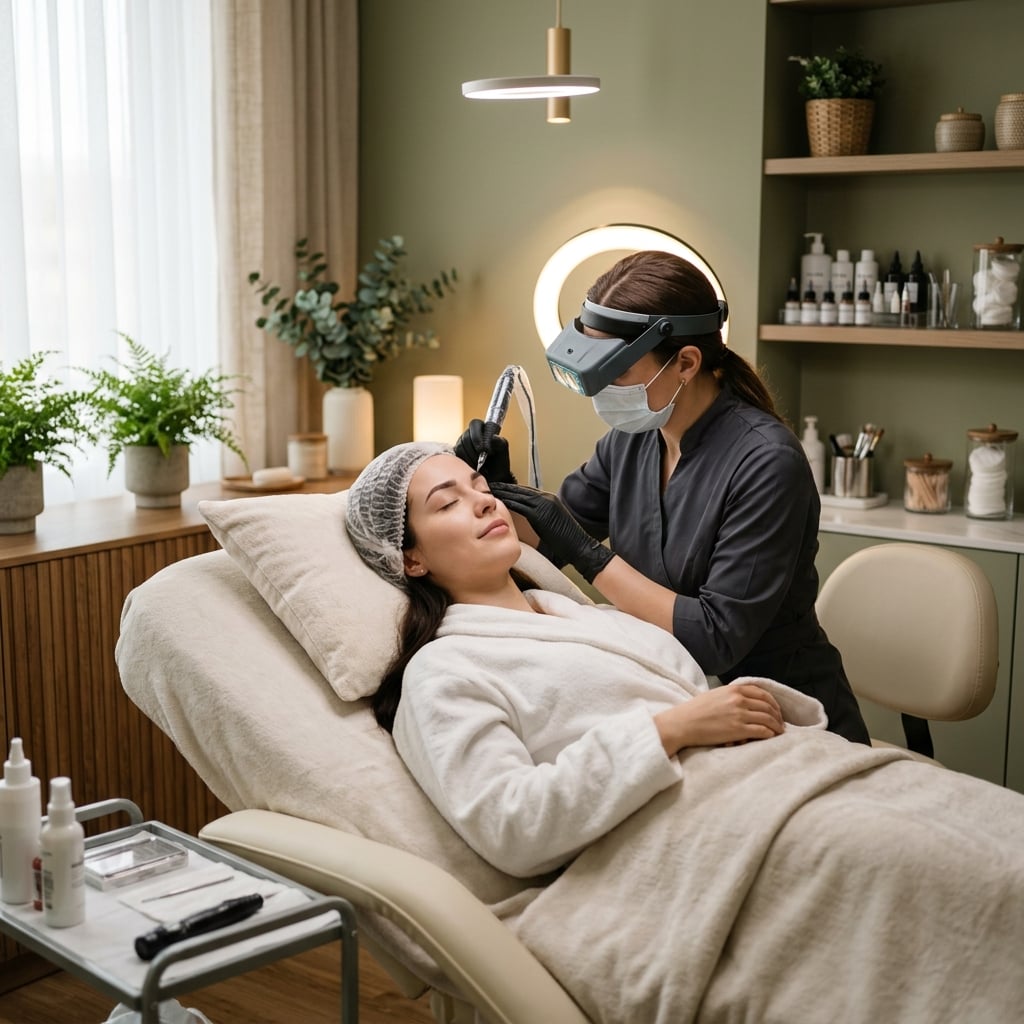
Permanent makeup procedures involve depositing pigment into the upper layers of the skin using fine needles. While this sounds intimidating, modern techniques and topical numbing creams have made the experience far more comfortable than traditional tattooing.
Most clients rate the discomfort between 2-5 on a scale of 1-10, with many comparing it to light scratching, tweezing, or a cat’s tongue sensation. The good news is that any discomfort is temporary and well worth the long-term results.
Why PMU Is Less Painful Than Traditional Tattoos
There are several reasons why permanent makeup tends to be less painful than body tattoos:
- Shallower penetration: PMU needles only reach the epidermis and upper dermis, unlike traditional tattoos that go deeper
- Finer needles: PMU uses much smaller, more delicate needle configurations
- Topical anesthetics: High-quality numbing creams are applied before and during the procedure
- Shorter duration: Most PMU sessions last 1-3 hours compared to lengthy tattoo sessions
Pain Levels by Procedure
Different areas of the face have varying sensitivity levels. Here’s what our clients typically report for each procedure:
Powder Brows Discomfort Level: 2-4/10
The eyebrow area is generally one of the least sensitive areas for PMU. Most clients describe powder brows as feeling like light scratching or pressure. The skin on the brow bone is relatively thick, which helps minimize discomfort. Many clients even fall asleep during their powder brows session!
If you regularly tweeze or wax your brows, you’re already familiar with the sensation – PMU is often described as similar or even less uncomfortable.
Lip Blush Discomfort Level: 4-6/10
The lips are more sensitive than the brow area due to thinner skin and more nerve endings. However, we use specialized lip numbing agents that are highly effective. Clients typically feel the most sensation during the initial outline, with discomfort decreasing significantly once the numbing takes full effect.
Many clients report that the lip blush healing process involves more noticeable tenderness than the procedure itself.
Permanent Eyeliner Discomfort Level: 3-5/10
The eyelid area is delicate, but surprisingly tolerable for most clients. The sensation is often described as light pressure or vibration rather than pain. Our artists work carefully and apply numbing cream strategically to ensure maximum comfort throughout the procedure.
Combination Brows Discomfort Level: 3-5/10
Combination brows blend microblading strokes with powder shading. The microblading portion may feel slightly more noticeable than powder shading alone, but the difference is minimal. Most clients find the entire procedure very manageable.
Pain Management Techniques
At Brows & Lips, client comfort is our top priority. Here’s how we ensure a comfortable experience:
Before Your Procedure
- Topical anesthetic: We apply a medical-grade numbing cream 20-30 minutes before starting
- Relaxation techniques: Deep breathing and staying calm can significantly reduce perceived pain
- Avoid caffeine: Skip coffee or energy drinks before your appointment as they can increase sensitivity
- Stay hydrated: Well-hydrated skin responds better to numbing agents
- Take ibuprofen: If approved by your doctor, taking an over-the-counter pain reliever 30 minutes before can help
During Your Procedure
- Secondary numbing: We reapply numbing gel throughout the procedure as needed
- Breaks available: Feel free to ask for a short break if you need one
- Distraction: Many clients listen to music, podcasts, or even watch videos during their session
- Communication: Our artists check in regularly to ensure you’re comfortable
Real Client Experiences
Don’t just take our word for it. Here’s what our actual clients say about their PMU pain experience:
“I was so nervous about the pain, but it was honestly nothing like I expected. It felt like someone lightly scratching my brows. I almost fell asleep!” – Sarah M., Powder Brows Client
“The lips were a bit more sensitive than the brows, but the numbing cream worked really well. Totally worth it for the results!” – Jessica R., Lip Blush Client
“I have a low pain tolerance and was worried, but the artist was so gentle and kept checking if I was okay. Barely felt a thing.” – Amanda K., Eyeliner Client
These experiences reflect what we hear consistently – while there is some sensation, it’s far more manageable than most people anticipate.
Factors That Affect Pain
Several factors can influence how much discomfort you might feel during your PMU procedure:
Individual Pain Tolerance
Everyone’s pain threshold is different. What feels like mild pressure to one person might feel more intense to another. Your regular experiences with beauty treatments (waxing, threading, facials) can give you a good baseline for what to expect.
Menstrual Cycle Timing
Many women report increased sensitivity during their menstrual period. If possible, try to schedule your appointment for a time when you’re not on your period to minimize discomfort.
Skin Condition and Type
Oily, thick skin tends to be less sensitive than thin, dry skin. Sun-damaged or irritated skin may also be more sensitive. Our artists assess your skin type during consultation and adjust their technique accordingly.
Artist Technique and Experience
An experienced artist uses proper needle depth, consistent hand pressure, and efficient technique – all of which minimize unnecessary discomfort. This is why choosing a qualified, experienced PMU artist is so important.
Aftercare and Discomfort
Most clients are surprised to learn that the aftercare period can involve more noticeable sensation than the procedure itself:
First 24-48 Hours
- Mild tenderness or soreness in the treated area
- Slight swelling (especially for lip blush)
- Tightness as the skin begins to heal
These sensations are normal and typically subside within 1-2 days. Over-the-counter pain relievers can help if needed, though most clients find them unnecessary.
During Healing (Days 3-14)
As your skin heals, you may experience:
- Itching or flaking as the top layer of skin sheds
- Dryness or tightness
- Color appearing lighter or patchy (this is normal – the true color emerges after healing)
Following proper aftercare instructions is crucial for optimal healing and results. Avoid picking, scratching, or applying makeup to the treated area.
Frequently Asked Questions
Does numbing cream really work for PMU?
Yes! Medical-grade topical anesthetics are highly effective for PMU procedures. We use a two-step numbing process: a cream applied before the procedure and a gel reapplied during the procedure. Most clients report significant reduction in sensation.
How long does the discomfort last?
Any discomfort during the procedure is temporary and stops once the procedure ends. Post-procedure tenderness typically lasts 24-48 hours. The healing process (itching, flaking) may continue for 7-14 days but is not painful.
I have sensitive skin. Will PMU hurt more?
Sensitive skin may experience slightly more sensation, but our numbing protocols are designed to work effectively on all skin types. We can also adjust our technique and use additional numbing if needed. Always inform your artist about skin sensitivities during consultation.
Is PMU more painful than waxing or threading?
Most clients report that PMU is comparable to or less painful than regular brow waxing or threading. The numbing cream makes a significant difference. If you can tolerate waxing, you can likely tolerate PMU comfortably.
I’m anxious about pain. What can I do?
Anxiety can amplify pain perception. Here are some tips:
- Communicate your concerns with your artist – they’re experienced in helping nervous clients
- Practice deep breathing before and during the procedure
- Bring headphones and listen to calming music or a favorite podcast
- Remember that millions of people undergo PMU safely and comfortably every year
Can I take pain medication before PMU?
Yes, you can take over-the-counter pain relievers like ibuprofen or acetaminophen 30 minutes before your appointment (if approved by your doctor). However, avoid aspirin as it can increase bleeding. Always consult with your healthcare provider first.
What’s the most uncomfortable part of PMU?
For most clients, the initial few minutes before the numbing fully takes effect is the most noticeable sensation. After that, discomfort decreases significantly. The lips tend to be more sensitive than brows throughout the procedure, but still very manageable.
Ready to experience the confidence of beautiful, low-maintenance permanent makeup? Prepare for your appointment and book your consultation today. Our experienced artists prioritize your comfort every step of the way.