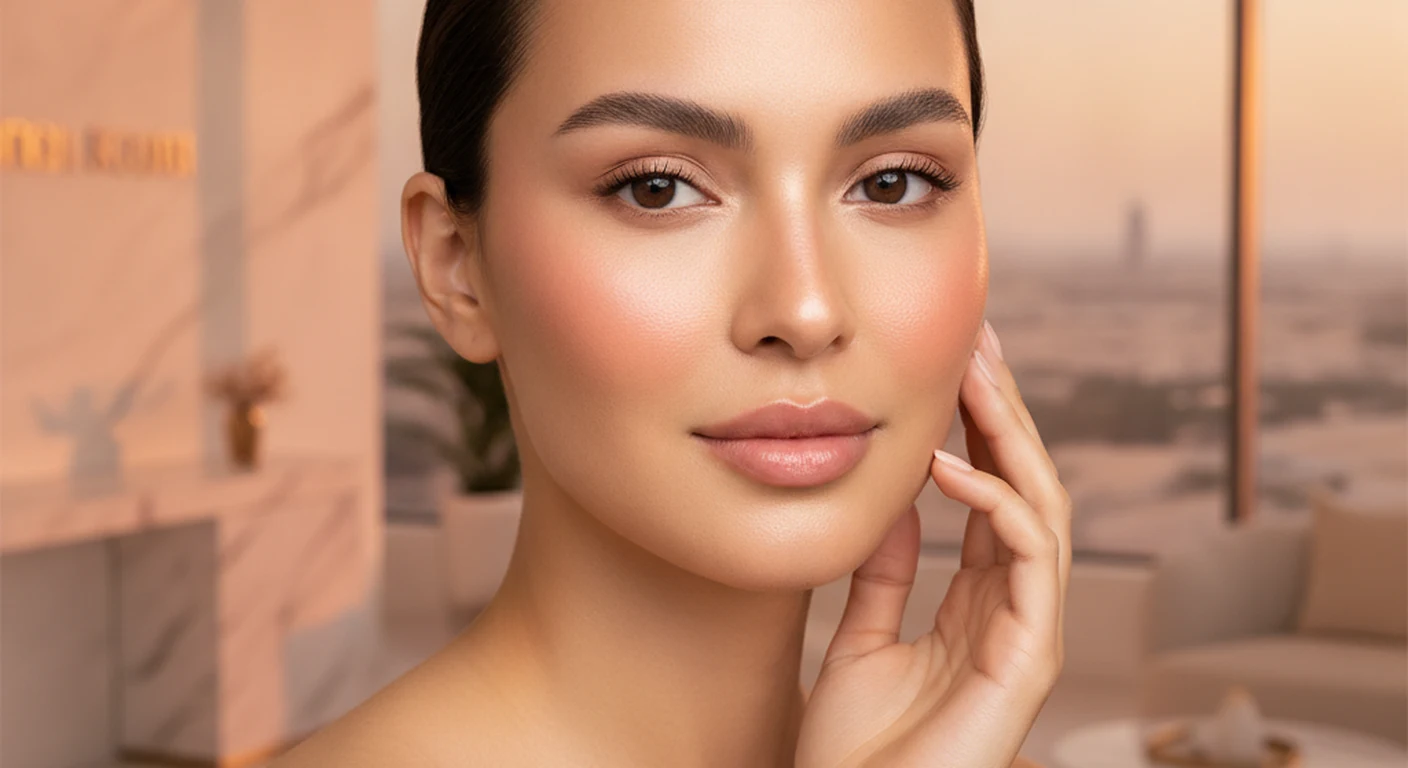
Permanent cheek blush — also called blush tattoo or permanent makeup blush — is a transformative cosmetic tattoo procedure that adds a soft, natural-looking flush of colour to your cheeks. The result is a radiant, just-pinched glow that lasts all day, every day, without the need for powder or cream blush. But as with any permanent makeup treatment, the quality of your outcome depends heavily on how well you care for your skin during the healing process. This guide covers everything you need to know about permanent cheek blush aftercare, from the healing timeline to essential DOs and DON’Ts.
What Is Permanent Cheek Blush?
Permanent cheek blush is a cosmetic tattooing technique that deposits a sheer, translucent pigment into the upper dermis of the cheek area. The goal is to create a natural, diffused flush that enhances your complexion without looking heavy or artificial. The procedure is performed using a specialised permanent makeup machine with a soft needle configuration designed for delicate facial skin. Most clients require a single session to achieve their desired depth of colour, with a follow-up touch-up at 4–6 weeks if needed.
Immediately after the procedure, the pigment will appear significantly brighter and more intense than the final result. This is perfectly normal — the colour will soften and settle as your skin heals over the following weeks.
Healing Timeline: Days 1–7+
Days 1–3: The Acute Phase
Your cheeks will appear noticeably rosy, and the colour may look darker and more saturated than you expected. Mild swelling, warmth, and a sensation similar to a light sunburn are normal. The pigment is sitting in the superficial layers of the skin and will continue to settle. Care instructions: Keep the area completely dry for the first 48 hours. No water, no sweating, no touching. Apply the healing ointment provided by your technician in a very thin layer 2–3 times daily using a clean cotton swab. Dab gently — do not rub or massage.
Days 4–7: Peeling Phase
The treated area will begin to flake and peel as the skin regenerates. The pigment may appear patchy or uneven underneath the peeling skin — this is temporary and part of the natural healing process. Care instructions: Continue applying the healing balm in thin layers. You may gently rinse your face with lukewarm water, avoiding direct water pressure on the cheeks. Pat the area dry with a clean tissue. Do not pick, scratch, or rub the peeling skin. Let the flakes fall off on their own — removing them prematurely can pull out pigment and cause uneven results.
Days 8–14: Softening and Settling
The peeling phase is largely complete. Your cheeks will look significantly lighter, and the colour will continue to soften. The pigment is moving deeper into the dermis. Some areas may appear lighter than others — this is normal. Care instructions: You can resume gentle facial cleansing with a mild, fragrance-free cleanser. Introduce a light, fragrance-free moisturiser to keep the skin hydrated. Still avoid any active skincare ingredients on the treated area.
Weeks 3–4: Final Colour Revelation
By week 3, the pigment has settled to approximately 80–90% of its final shade. The colour looks natural, soft, and diffused — exactly what permanent cheek blush is meant to achieve. Any minor unevenness typically resolves by week 4. This is when you can properly assess the result and decide whether a touch-up session is desired.
Permanent Cheek Blush Aftercare: The DOs
- Cleanse gently: Use a mild, fragrance-free cleanser and lukewarm water. Pat dry with a clean tissue — never rub.
- Moisturise lightly: Apply a light, fragrance-free moisturiser in a thin layer once the initial healing phase is complete. Keeping the skin hydrated supports even pigment retention.
- Use SPF 50+ daily: The treated area is highly photosensitive. UV exposure can cause the pigment to fade unevenly or shift to an undesirable tone. Apply sun protection every morning once the skin has healed.
- Sleep on your back: Sleeping on your back prevents your cheeks from rubbing against the pillow, which can disturb the healing pigment.
- Attend your follow-up: A touch-up session at 4–6 weeks allows your technician to refine the colour and density for a perfect result.
- Keep your environment clean: Change your pillowcase regularly and keep your face away from dusty or dirty surfaces.
Permanent Cheek Blush Aftercare: The DON’Ts
- No makeup for 5 days: Avoid foundation, concealer, powder, or any cheek products on the treated area until the peeling phase is complete — at least 5 days.
- No sweating: Avoid intense exercise, hot yoga, and any activity that causes heavy sweating for at least 7 days. Sweat can introduce bacteria and cause the pigment to lift.
- No sauna or steam: Stay away from saunas, steam rooms, hot tubs, and long hot showers for at least 2 weeks. Prolonged heat and moisture disrupt pigment retention.
- No active skincare: Avoid retinol, glycolic acid, lactic acid, vitamin C, AHAs, BHAs, and any exfoliating or active ingredients on the treated area for at least 2–3 weeks.
- No scratching or picking: Do not touch, scratch, rub, or pick at the treated area. Picking at flakes can remove pigment and cause scarring.
- No facials or facial treatments: Avoid professional facials, microdermabrasion, chemical peels, microneedling, or any other facial treatments for at least 3–4 weeks.
- No swimming: Avoid chlorinated pools, salt water, and natural bodies of water for at least 2 weeks.
- No sleeping on your face: Side or stomach sleeping can rub the pigment off one side. Sleep on your back for the first 10–14 days.
Colour Settling Process
The pigment used in permanent cheek blush is designed to deposit as a soft, diffused veil of colour. However, the shade you see immediately after the procedure is not the final shade. Here is how the colour evolves during healing:
- Day 1: Colour appears 30–40% darker and more saturated than the final result due to oxidation and superficial placement.
- Days 2–7: The colour remains intense as the skin is in the acute healing phase. Some swelling may be present.
- Days 8–14: The colour lightens significantly as the outer layer of skin sheds. The pigment begins to look more natural and diffused.
- Weeks 3–4: The pigment has settled into its true, soft shade. The colour looks like a natural flush from within.
Patience is essential: The bold colour you see on day 1 will soften dramatically. Trust the healing process, follow your aftercare instructions, and give your skin the time it needs to reveal the final, beautiful result.
How Long Do Results Last?
Permanent cheek blush typically lasts 1 to 3 years depending on your skin type, lifestyle, sun exposure, and skincare routine. Oily skin types may experience faster fading, while dry skin often retains pigment longer. Regular use of SPF, avoiding harsh exfoliants on the cheek area, and attending annual touch-up sessions will help maintain your blush for as long as possible.
Because the cheek area experiences more movement, cleansing, and product application than many other parts of the face, the pigment may fade more evenly over time. A yearly maintenance session is recommended to keep the colour fresh and vibrant.
Final Thoughts
Permanent cheek blush is a wonderful way to simplify your daily beauty routine while enjoying a natural, healthy-looking glow every single day. The key to getting the best possible results lies in the aftercare: keep the area clean, moisturised, and protected from the sun; avoid makeup, sweating, and active skincare during the healing window; and give the pigment time to settle into its final beautiful shade. With proper care, your blush tattoo will heal beautifully and last for years to come.
Book a consultation at Brows and Lips Dubai to discuss permanent cheek blush with our expert cosmetic tattoo specialists.