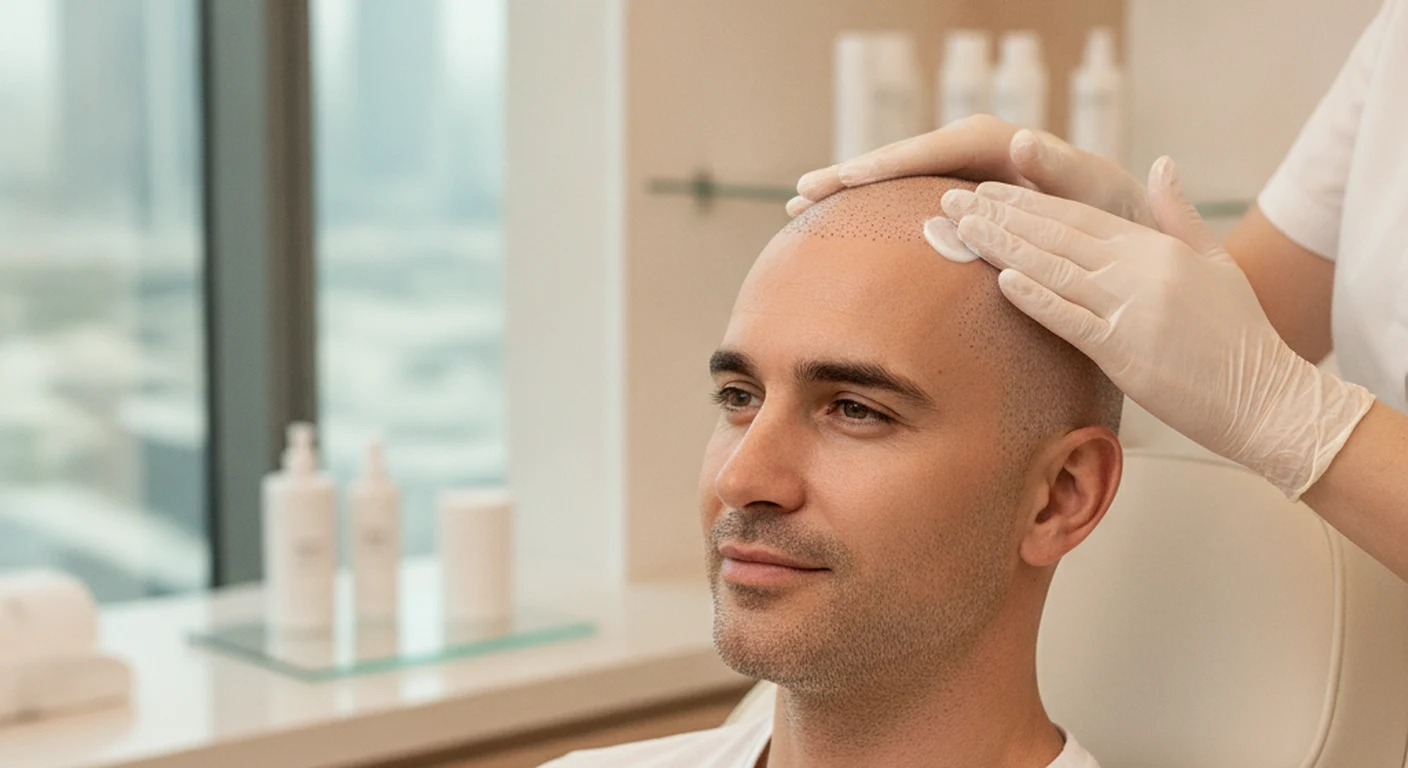
Scalp micropigmentation (SMP) — also known as a hair tattoo or medical hairline tattoo — is a revolutionary non-surgical treatment that creates the appearance of a full, natural-looking head of hair. Using specialised micro-needles, pigment is deposited into the scalp to replicate the look of tiny hair follicles. The result is a seamlessly shaved or closely cropped hairstyle with added density and definition. Whether you are addressing male pattern baldness, receding hairlines, thinning hair, or scar coverage from transplants, SMP offers a life-changing solution. However, the quality of your final result depends just as much on your aftercare as on the skill of your practitioner. Follow this complete guide to ensure the best possible outcome.
What Is Scalp Micropigmentation?
Scalp micropigmentation is a non-invasive cosmetic tattooing technique that applies natural pigment to the dermal layer of the scalp. It creates thousands of tiny, layered impressions that mimic real hair follicles — giving the illusion of a full head of closely cropped hair. SMP is ideal for a range of concerns: concealing male pattern baldness, filling in thinning areas, lowering or reshaping the hairline, and camouflaging scars from hair transplants or injuries. The procedure is performed over 2 to 3 sessions, allowing the pigment to be built up gradually for the most natural-looking density.
After each session, your scalp enters a healing process that takes 3 to 4 weeks to reveal the final colour. Understanding the stages below is essential for proper aftercare.
Healing Timeline: Days 1–14+
Days 1–3: The Acute Healing Phase
Immediately after your SMP session, your scalp will appear noticeably darker and redder than the intended final result. This is completely normal — the pigment sits near the surface and will settle as the skin heals. Mild redness and slight tenderness are expected, similar to a mild sunburn. The tiny impressions may feel raised to the touch.
Care instructions: Keep your scalp dry for the first 72 hours. No washing, no sweating, no water contact. Apply the healing balm provided by your technician in a thin layer 2 to 3 times daily using clean fingertips. Do not rub or massage — dab gently.
Days 4–7: The Peeling Phase
Your scalp will begin to flake and peel as the outer layer of skin regenerates. This is a critical part of healing. The pigment underneath may look patchy or uneven — do not be alarmed. The flakes must fall off naturally.
Care instructions: You may begin gentle washing from day 4. Use lukewarm water and a mild, fragrance-free shampoo. Apply with your fingertips in gentle circular motions, then rinse thoroughly. Pat dry with a clean towel — do not rub. Apply a pea-sized amount of healing balm after each wash. Avoid brushing or scratching the scalp.
Days 8–14: The Softening Phase
The peeling has subsided significantly. Your scalp will look lighter and more natural. The pigment is settling deeper into the dermis. Some areas may appear lighter than others — this is normal and will be addressed at your next session.
Care instructions: Continue gentle washing every other day. Introduce a lightweight, fragrance-free moisturiser if the scalp feels dry. Still avoid direct sun exposure and any harsh hair or scalp products containing retinol, glycolic acid, or sulfates. Wear a loose-fitting hat if you need to be outdoors.
Weeks 3–4: Colour Settling
By week 3, the pigment has settled to approximately 80–90% of its final shade. The colour will continue to soften and look more natural. Any minor unevenness typically resolves by week 4.
SMP Aftercare: The DOs
- Gentle washing after 4 days: Begin cleansing the scalp with lukewarm water and mild shampoo from day 4. Use gentle circular motions with your fingertips — never scrub or use a washcloth on the treated area.
- Moisturise daily: Apply the recommended healing balm or a fragrance-free moisturiser in a thin layer 2–3 times daily to keep the scalp hydrated and support healing.
- SPF on the scalp: Once the initial healing phase is complete (after week 2), apply SPF 30–50 to your scalp whenever you are outdoors. UV exposure can cause the pigment to fade unevenly or take on an undesirable colour shift.
- Loose hats only: If you need head protection, wear a loose-fitting hat or cap. Tight headwear can rub against the healing skin and disturb the pigment.
- Attend your sessions: SMP typically requires 2 to 3 sessions spaced 4 to 6 weeks apart to build the desired density and refine the colour match.
- Sleep on a clean pillowcase: Change your pillowcase regularly during the healing phase to keep the scalp clean and free from bacteria.
SMP Aftercare: The DON’Ts
- No sun exposure: Keep your scalp out of direct sunlight for at least 4 weeks. UV rays can cause fading and discolouration of the pigment.
- No sweating for 5 days: Avoid intense exercise, gym sessions, saunas, steam rooms, and any activity that causes heavy perspiration for the first 5 days. Sweat can push pigment out and introduce bacteria.
- No tight hats: Avoid wearing tight-fitting caps, helmets, or headgear that presses against the scalp for at least 2 weeks.
- No scratching or picking: Itching and flaking are normal — do not scratch, pick, or rub the treated area. Let flakes fall off naturally.
- No chemical treatments for 2 weeks: Avoid hair dyes, bleaching, perms, relaxers, or any chemical hair treatments for at least 2 weeks after each session.
- No swimming or soaking: Avoid pools, hot tubs, the ocean, and long baths for at least 2 weeks. Chlorine and salt water can interfere with pigment retention.
- No alcohol before sessions: Avoid alcohol for 24 hours before and after treatment, as it can thin the blood and affect pigment retention.
Multiple Sessions: What to Expect
SMP is not a one-and-done procedure. Most clients require 2 to 3 sessions to achieve their desired density and hairline shape. The first session lays the foundation and creates approximately 50–60% of the final look. The second session, scheduled 4 to 6 weeks later, adds density and refines the hairline. A third session is often used for fine-tuning and blending. Each session builds on the previous one, allowing the pigment to settle gradually for the most natural result.
Colour Settling: 3–4 Weeks
The colour you see immediately after each SMP session is not the final colour. The pigment goes through several shifts during the healing process:
- Day 1: The pigment appears 30–50% darker than its final shade due to oxidation and superficial placement.
- Days 2–7: The colour remains dark and may appear more intense as the skin is inflamed.
- Days 8–14: The colour lightens significantly as the outer layer of skin peels away.
- Weeks 3–4: The pigment settles into its true shade. The colour softens and looks natural. Any minor unevenness resolves.
Patience is essential: The colour you see on day 1 is never the final result. Trust the healing process, follow your aftercare instructions carefully, and attend each scheduled session for the best outcome.
How Long Do SMP Results Last?
With proper care, SMP results last years — typically 4 to 6 years before a refresh session is needed. The pigment is applied to the upper dermis of the scalp, where it remains stable over time. Factors that affect longevity include sun exposure (which accelerates fading), skin type (oily scalps may fade faster), and lifestyle habits. A maintenance session every 3 to 5 years helps keep the colour fresh and the density consistent.
Final Thoughts
Scalp micropigmentation is a life-changing procedure that restores the look of a full, defined hairline. But the key to outstanding, long-lasting results lies in how you care for your scalp in the weeks following each session. By keeping the area clean, moisturised, and protected from the sun, avoiding tight headwear and sweating, and attending all your scheduled sessions, you give the pigment the best possible chance to settle beautifully and last for years to come.
Book a consultation at Brows and Lips Dubai to discuss your scalp micropigmentation options with our experienced specialists.